
5 Signs Your Warehouse Needs Mezzanine Floor Installation
Introduction
Warehouse space represents one of the most expensive operational costs for businesses in manufacturing, logistics, and distribution. As inventory grows and operations expand, many facility managers face a critical decision: invest in expensive new real estate or find ways to maximize existing space.
Before committing to costly relocation or new construction, consider whether your current facility could double its usable area through vertical expansion. Mezzanine floor installation offers a practical solution that transforms underutilized ceiling height into productive operational space.
Understanding when mezzanine installation makes business sense requires recognizing specific operational challenges. This guide identifies five clear indicators that your warehouse would benefit from vertical expansion.
Sign 1: You’re Running Out of Floor Space Despite High Ceilings
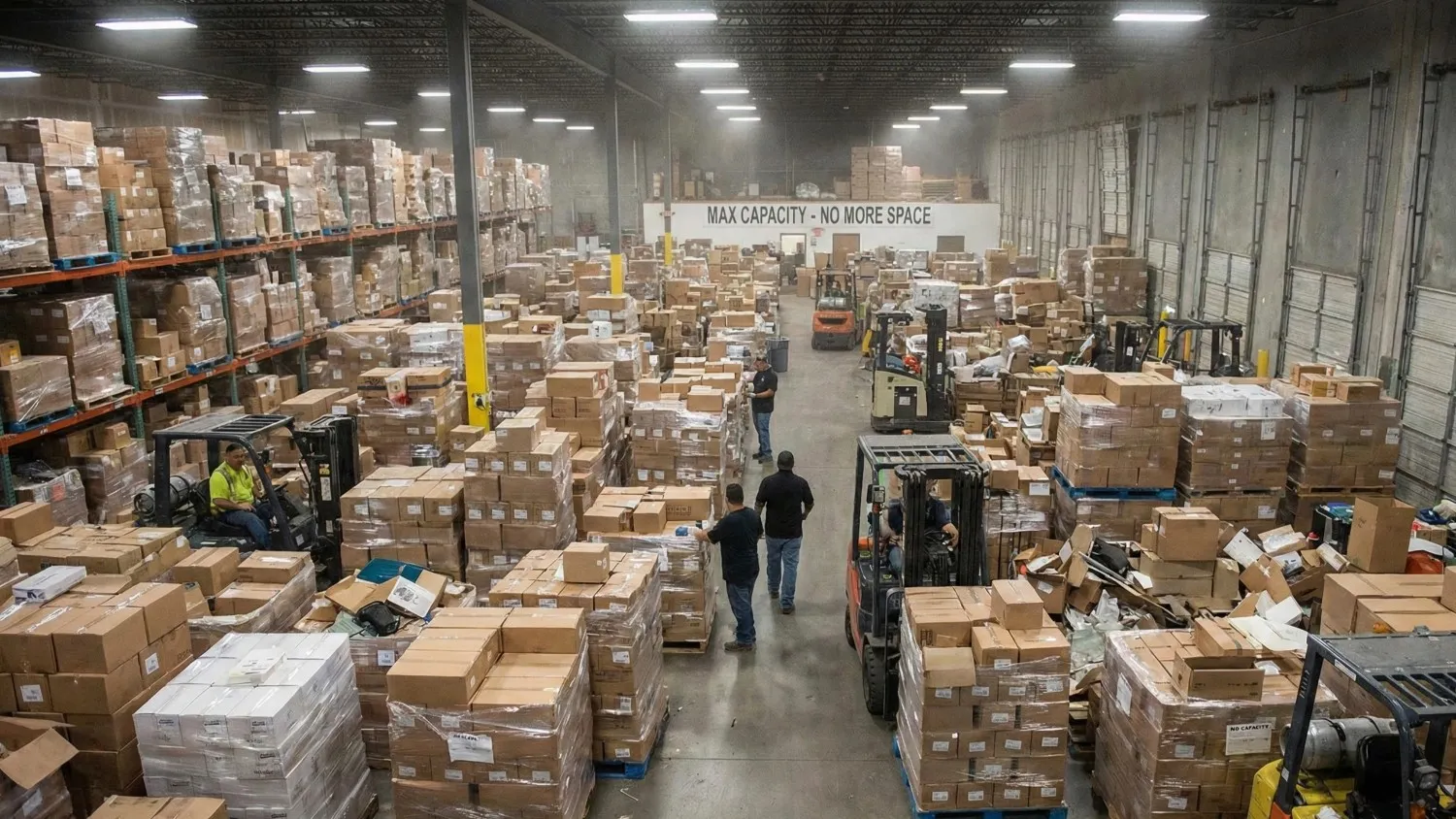
The most obvious indicator appears when your warehouse floor feels cramped while 15-20 feet of vertical space remains empty above inventory and equipment.
1. The Problem
Modern warehouses typically feature ceiling heights between 20-40 feet, yet most operations use only the bottom 8-10 feet for storage and activity. This leaves enormous cubic footage completely unused while floor space becomes increasingly congested.
Common symptoms include:
- Narrow aisles between storage racks that slow material movement and create safety concerns
- Overflow inventory spilling into shipping areas, office spaces, or production zones
- Equipment crowding where forklifts and pallet jacks struggle to maneuver efficiently
- Workflow disruption as workers navigate around storage rather than through organized pathways
- Lost productivity from extended travel distances to locate and retrieve items
2. The Mezzanine Solution
A properly engineered mezzanine floor system creates an entire second level within existing vertical clearance. This approach:
- Doubles usable space without expanding building footprint or relocating operations
- Maintains floor operations as mezzanine construction occurs overhead with minimal disruption
- Preserves ceiling height on ground level for tall equipment, loading operations, and material handling
- Organizes inventory by separating fast-moving products (ground level) from slower items (mezzanine)
- Improves workflow through dedicated zones for different operational functions
Businesses with 20+ foot ceilings typically achieve 80-100% space increases through mezzanine installation, effectively creating the equivalent of a new building without land acquisition or major construction costs.
Sign 2: You’re Considering Leasing Additional Warehouse Space
When operations outgrow current facilities, the instinctive response involves finding additional square footage through leasing or purchasing secondary warehouse space.
1. Hidden Costs of Multiple Locations
Operating inventory across separate facilities creates expenses beyond rent:
- Duplicate equipment requiring forklifts, pallet jacks, and handling gear at each location
- Split inventory management complicating stock tracking and increasing error rates
- Transportation costs moving products between locations for order fulfillment
- Labor inefficiency requiring staff presence at multiple sites or travel time between facilities
- Administrative complexity managing separate utility accounts, security systems, and maintenance schedules
- Customer service impacts from delayed order fulfillment when items exist at different locations
2. The Strategic Alternative
Rather than accepting the ongoing expenses and operational complications of multiple facilities, mezzanine installation in your existing warehouse provides:
- Consolidated operations keeping all inventory and staff in one efficient location
- Eliminated duplicate costs for equipment, utilities, and administrative overhead
- Simplified management with centralized inventory control and supervision
- Improved fulfillment speed accessing all products from single location
- Better space utilization maximizing vertical capacity you’re already paying for
The investment in vertical expansion often proves more economical than perpetual lease expenses while maintaining operational efficiency that split facilities compromise.
Sign 3: Your Storage Racks Are Maxed Out But Inventory Keeps Growing
E-commerce growth, product line expansion, or seasonal inventory fluctuations often push storage requirements beyond existing rack capacity.
1. The Vertical Storage Dilemma
Standard pallet racking reaches 20-25 feet in well-designed warehouses, but this height presents challenges:
- Upper rack access requires specialized equipment and trained operators
- Retrieval time increases significantly for high-level storage
- Safety concerns multiply with extreme heights and heavy loads
- Selectivity decreases as upper positions become impractical for regular access
- Inventory visibility suffers when products sit far overhead
2. Mezzanine Storage Advantages
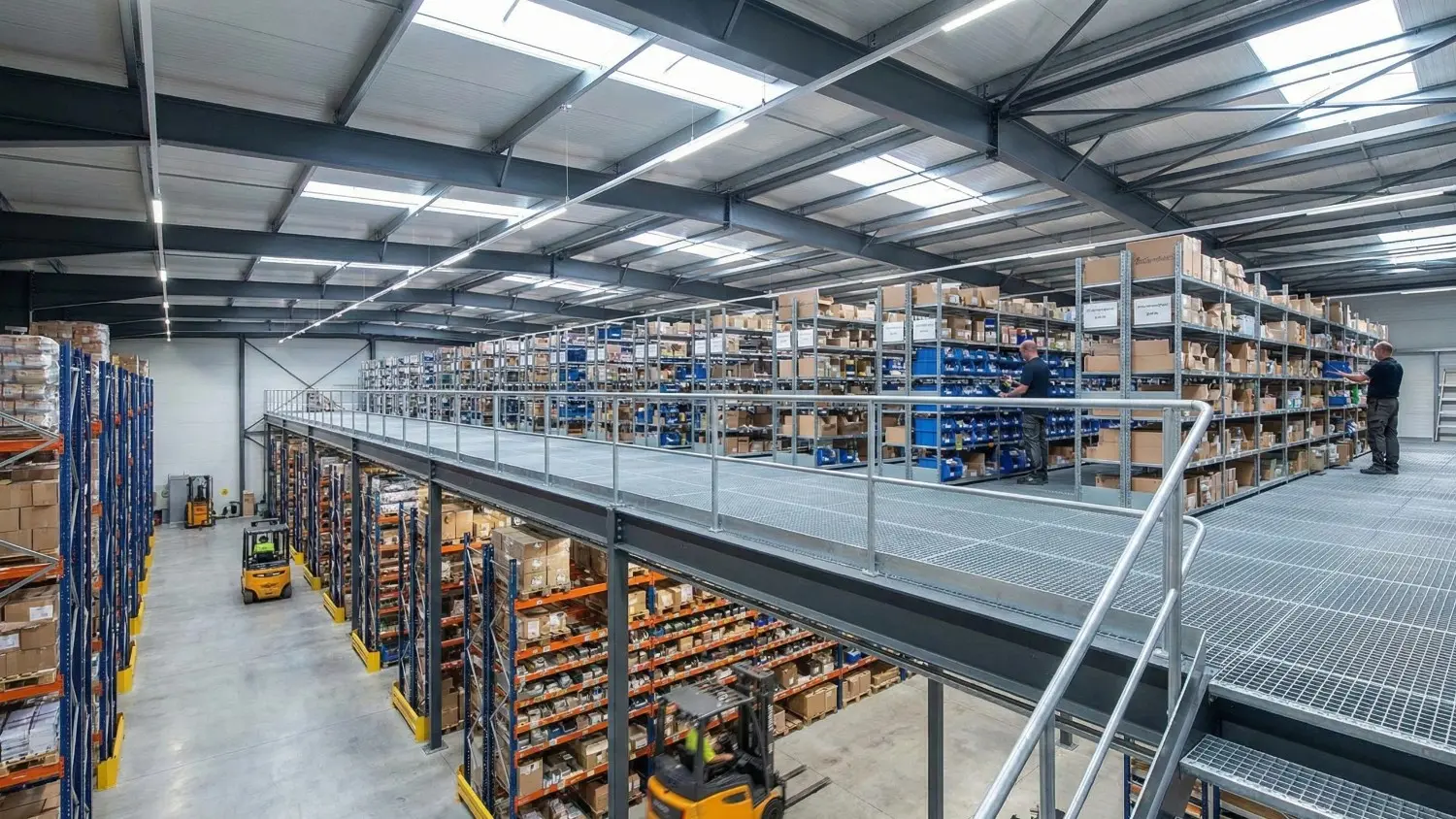
Rather than building racks higher (with diminishing returns), mezzanine systems create accessible mid-level storage:
- Human-scale access where workers reach inventory easily via stairs or lifts
- Improved pick rates from better visibility and reduced travel distances
- Flexible configuration accommodating shelving, bins, or specialized storage
- Light inventory management ideal for smaller items unsuitable for pallet racks
- Work area integration combining storage with packing, quality control, or assembly zones
Mezzanines work particularly well for operations with diverse inventory sizes. Ground level handles palletized bulk goods while upper levels organize smaller items, creating efficient multi-tier fulfillment systems.
Sign 4: You Need Office Space But Don’t Want to Sacrifice Storage Area
Growing businesses constantly face the office versus warehouse space battle. Administrative staff, quality control teams, and operations management need dedicated workspace, but every square foot allocated to offices reduces storage capacity.
1. The Floor Space Conflict
Converting warehouse floor area to offices creates multiple problems:
- Lost storage capacity exactly when business growth demands more inventory space
- Operational disruption as construction occurs in active facilities
- Workflow interference placing offices in areas meant for material movement
- Poor work environment with offices surrounded by noisy warehouse operations
- Future inflexibility as permanent office construction limits future layout changes
2. Elevated Office Solutions
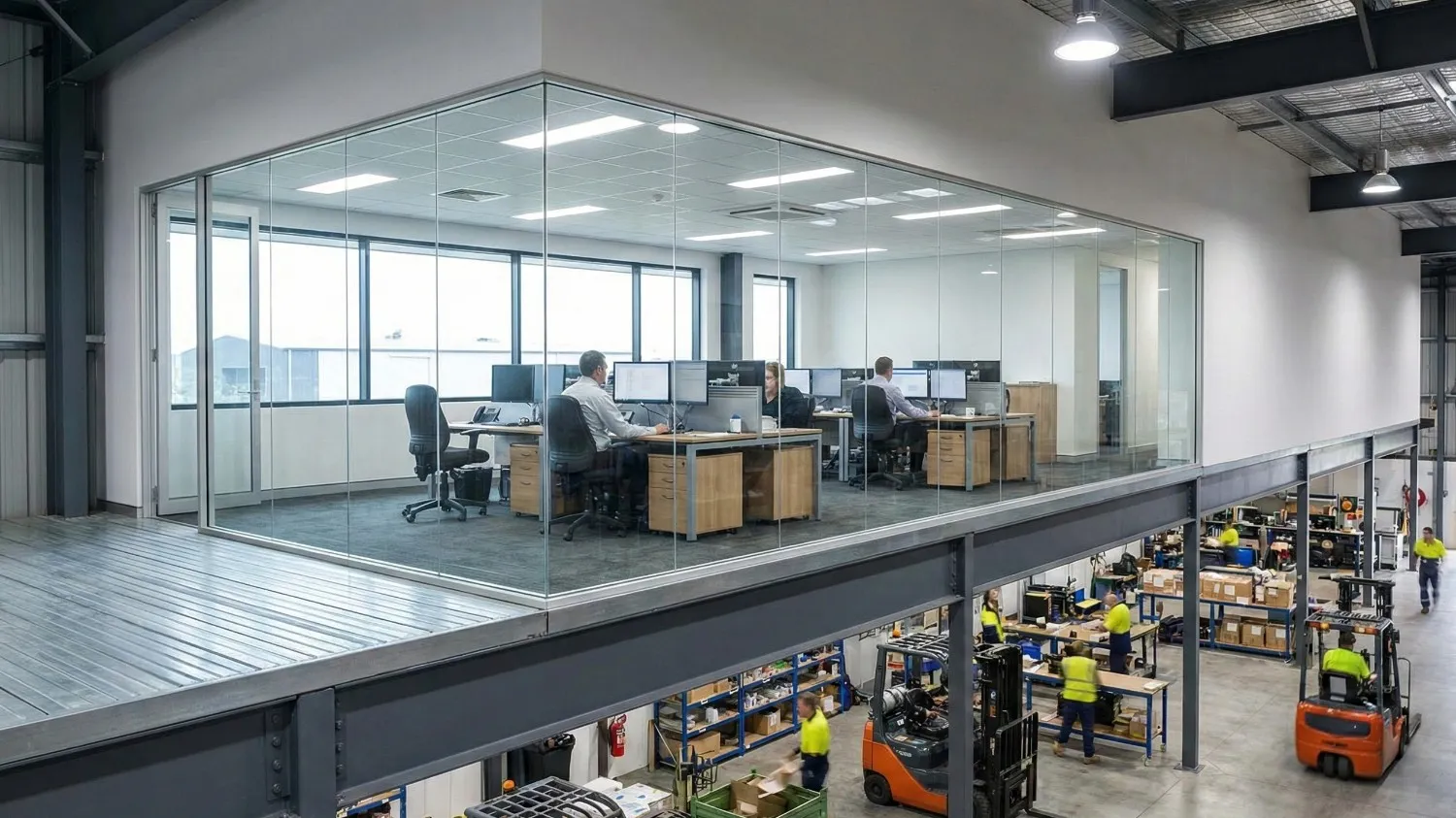
Mezzanine platforms provide ideal locations for warehouse offices:
- Oversight capability giving managers visual supervision of floor operations
- Noise separation elevating quiet spaces above warehouse activity
- Climate control allowing HVAC installation serving only office areas rather than entire warehouse
- No floor space sacrifice maintaining full ground-level storage and operational area
- Professional appearance creating proper workspace for staff and client meetings
- Easy expansion permitting office area growth as teams expand
Many distribution centers use mezzanine offices for dispatch coordination, quality assurance, inventory management, and administrative functions while preserving every square foot of ground-level operational space.
Sign 5: Your Lease Is Ending and Rent Increases Are Coming
Commercial real estate costs continue rising across industrial areas. Lease renewals often bring 10-30% rent increases, forcing difficult decisions about accepting higher costs or relocating entirely.
1. Relocation Reality Check
Moving warehouse operations involves substantial expense and disruption:
- Physical moving costs for inventory, equipment, and fixtures
- Downtime losses during the transition period affecting order fulfillment
- Lost customers who experience service interruptions or longer delivery times
- Employee turnover as some staff cannot or will not relocate
- New facility setup including shelving, racks, equipment installation
- Lease deposits and advance rent for new location
- Overlap period costs paying rent at both locations during transition
These factors often total several months of operational revenue plus significant capital expenditure.
2. The Strategic Alternative
Rather than accepting rent increases or relocating, mezzanine installation in your current facility offers strategic advantages:
- Negotiate leverage showing landlords you’ve solved space constraints and can remain long-term
- Cost control through one-time investment rather than perpetual rent escalation
- Operational continuity maintaining customer service without disruption
- Team stability avoiding relocation-induced turnover
- Improved facility value making the space more valuable to landlords (potentially negotiating better terms)
- Future flexibility creating options for expansion without additional real estate
Businesses often recover mezzanine installation costs through reduced rent negotiations, avoided moving expenses, and maintained operational efficiency. The space increase positions the operation for continued growth in the current location.
Making the Decision: Is Mezzanine Installation Right for Your Warehouse?
Review these decision criteria to evaluate whether vertical expansion makes strategic sense:
1. Clear Indicators for Mezzanine Installation
✅ Ceiling height exceeds 18 feet with adequate clearance remaining after mezzanine installation
✅ Floor space constraints actively limit operations or business growth
✅ Building structure can support additional loads (engineering assessment required)
✅ Operations will continue at current location for multiple years
✅ Multiple warehouse locations or expansion leases are being considered
✅ Investment analysis shows positive operational and financial returns
2. Situations Requiring Careful Evaluation
⚠️ Ceiling heights under 16 feet limiting usable mezzanine clearance for both levels
⚠️ Uncertain future location plans or pending relocation decisions
⚠️ Extremely heavy operational loads requiring specialized structural design
⚠️ Buildings with structural limitations or age concerns affecting load capacity
⚠️ Very short-term space needs where investment may not provide adequate return
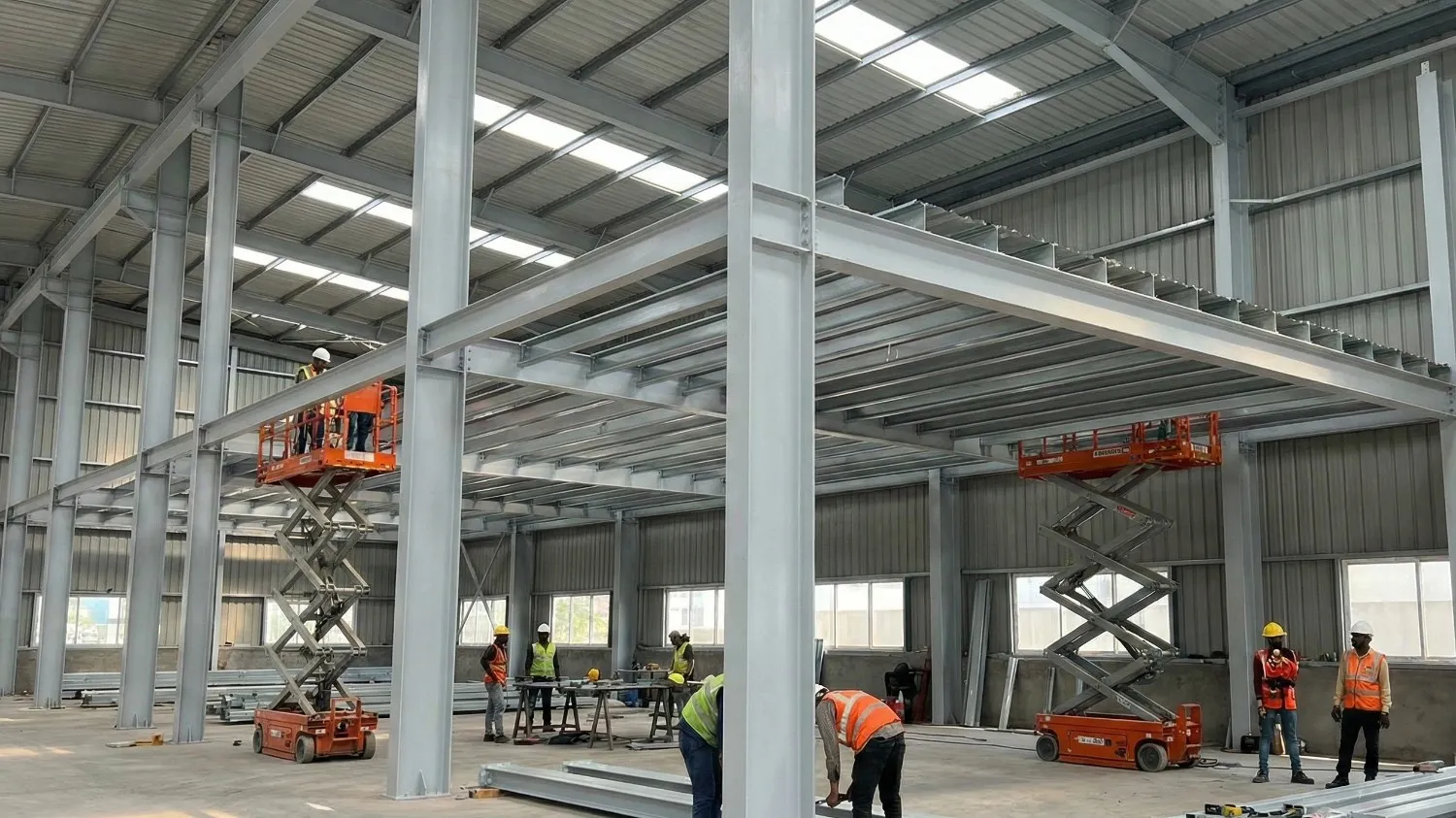
Professional structural engineering assessment determines technical feasibility, while financial analysis confirms economic viability for your specific situation and business timeline.
Return on Investment Benefits
Understanding the value proposition helps justify mezzanine installation through measurable improvements.
1. Direct Operational Advantages
- Avoided additional rent for comparable warehouse space provides immediate ongoing savings
- Eliminated relocation expenses including moving costs, downtime, and business disruption
- Prevented facility duplication eliminating costs for equipment, utilities, and administrative overhead
- Lease negotiation leverage potentially reducing renewal rates when landlords see long-term commitment
2. Enhanced Operational Performance
Beyond direct cost avoidance, mezzanines deliver operational improvements:
- Increased throughput from better organization and reduced travel time within consolidated facility
- Inventory carrying capacity supporting sales growth without facility changes or limitations
- Labor efficiency through optimized workflows and dedicated functional zones
- Error reduction from improved inventory organization and visibility across operations
- Customer service maintenance keeping fulfillment speed despite inventory growth
- These factors often provide value exceeding direct cost savings, particularly for growing businesses where space constraints limit operational capacity and revenue potential.
Next Steps: From Evaluation to Installation
If your warehouse shows multiple signs indicating mezzanine floor needs, take these steps:
- Assess current utilization documenting floor space usage, ceiling heights, operational constraints, and growth projections
- Define functional requirements determining how additional space will be used for storage, offices, production, or specialized operations
- Consult structural engineers evaluating building capacity, mezzanine design options, and integration with existing systems
- Obtain professional assessment based on your specific requirements and warehouse configuration
- Review implementation options exploring financing alternatives aligned with operational cash flow
- Plan installation timing scheduling work to minimize operational disruption during construction
- Prepare operational changes planning workflow adjustments and staff training for efficient multi-level operations
Conclusion
Warehouse space challenges rarely resolve themselves. Inventory grows, operations expand, and floor space constraints increasingly limit business potential. The five signs explored here (overcrowded floors with unused height, consideration of additional leased space, maxed storage capacity, office space needs, and upcoming lease pressures) indicate when vertical expansion through mezzanine floor installation makes strategic sense.
The question isn’t simply whether you need more space. Rather, consider whether vertical expansion within your existing facility offers better operational efficiency, lower disruption, and superior long-term value compared to alternatives like perpetual rent increases, split facility complications, or expensive relocation.
Mezzanine systems deliver measurable returns through avoided costs, operational improvements, and continued growth capacity within your existing facility. For warehouses showing clear signs of vertical space opportunity, professional engineering assessment provides the foundation for confident expansion decisions.
Pentaumec Space Structures specializes in warehouse mezzanine design and installation, delivering engineered solutions tailored to operational requirements across Tamil Nadu, Kerala, and Karnataka.
Ready to explore whether mezzanine installation suits your warehouse needs? Contact our engineering team for professional site evaluation and customized solutions.
Contact: Pentaumec Space Structures
📞 +91 9047533833 | 🌐 pentaumec.in | 📧 info@pentaumec.in